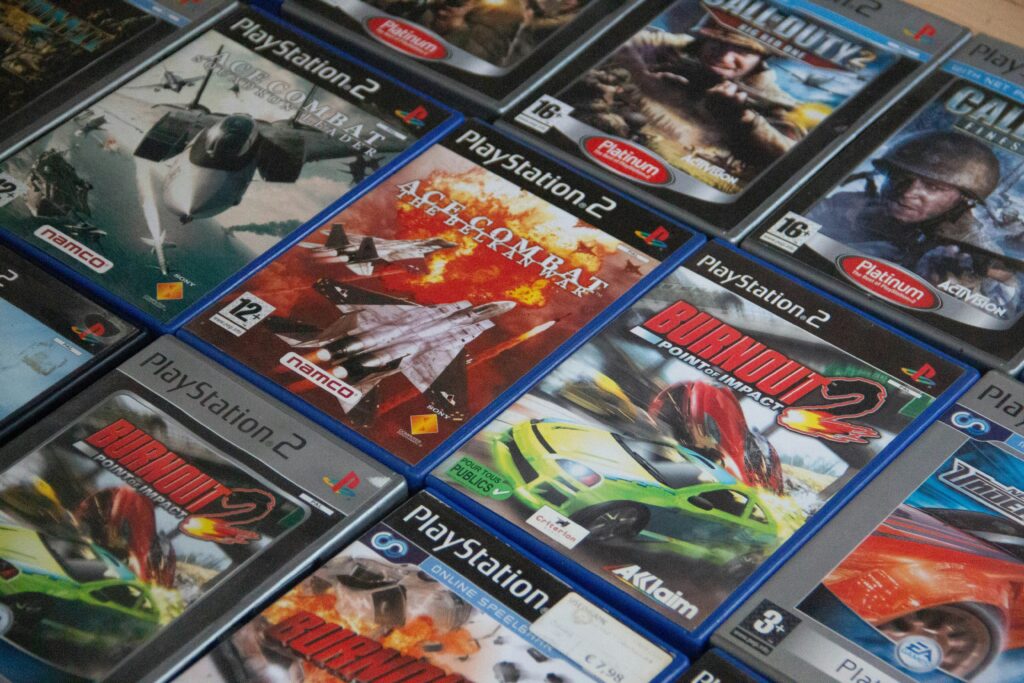

Know Your FPS Basics
Understanding the fundamentals of First Person Shooters (FPS) is the essential first step toward improving your skills. Whether you’re brand new to gaming or transitioning from another genre, mastering the basics will lay the groundwork for long term progress.
What Is an FPS?
FPS stands for First Person Shooter, a genre in which you experience the game through your character’s eyes and focus heavily on weapon based combat. The core gameplay centers on reflexes, spatial awareness, and precision.
Popular titles in this genre include:
Call of Duty
Apex Legends
Valorant
Rainbow Six Siege
Counter Strike
Core FPS Mechanics
To build a solid foundation, focus on mastering the core mechanics below:
Aiming: Precise crosshair control is crucial. You’ll rely on consistent aim to land shots quickly and accurately.
Movement: How you move affects how hard you are to hit. Strafing, jumping, crouching, and sliding all play strategic roles.
Map Awareness: Understanding the layout of maps gives you an advantage. Learn common sight lines, spawn points, and high traffic zones.
Key Terminology to Know
Familiarizing yourself with common FPS terms will help you follow in game instructions, tutorials, and advice from top players:
ADS (Aim Down Sights): Zooming in with your weapon for more accuracy.
TTK (Time to Kill): How fast a weapon can eliminate an opponent. Lower TTK means faster kills.
Recoil: The weapon’s kickback when fired. Learning recoil patterns helps with control and accuracy.
Peek: Briefly stepping into a line of sight to check for enemies without exposing your entire body.
Camping: Staying in one spot (often concealed) to wait for enemies controversial, but common in tactical play.
Once you’re comfortable with these basics, you’ll be better prepared to explore more advanced strategies and mechanics.
Pick the Right FPS for You
Before jumping into the action, choosing the right first person shooter (FPS) can make or break your early experience. Not all games play the same and what clicks for one player may feel completely off for another. Here’s how to find your perfect match.
Gameplay Style: Fast Paced vs. Tactical
Different FPS games cater to different player instincts. Decide which type aligns more with your playstyle:
Fast paced shooters like Call of Duty and Apex Legends reward quick reflexes and aggressive movement. If you enjoy intense action and fast respawns, start here.
Tactical shooters such as Valorant and Rainbow Six Siege emphasize strategy, coordination, and precise communication. Ideal for players who prefer methodical planning and high stakes rounds.
Platform Consideration: PC vs. Console
The experience can vary greatly based on hardware:
PC gaming offers sharper visuals, higher frame rates, and the precision of a mouse and keyboard ideal for competitive players.
Consoles can be more accessible and budget friendly, with standardized hardware and a casual orientation. Aim assist can help level the playing field.
Match Your Playstyle to the Game
Figuring out your natural FPS instincts helps narrow down choices:
Prefer fast, fluid mechanics and nonstop combat? Choose games designed for aggressive momentum.
Prefer holding angles, gathering intel, and executing teamwork based strategies? Tactical shooters are for you.
Start with Accessible Titles
For beginners, starting with a community supported, well maintained game goes a long way:
Look for strong tutorial modes, active player bases, and developer support
Entry level suggestions include Call of Duty: Warzone, Apex Legends, or Valorant
The right FPS game should challenge you but not overwhelm you. Pick based on your instincts, then commit and learn one game deeply before branching out.
Setup Your Gear and Settings
If you want to stop missing shots and start landing them, your gear has to work with you, not against you. First, get your mouse sensitivity and DPI sorted. Too fast, and you’ll overshoot every flick. Too slow, and you’ll get outpaced in close fights. Find a balance that gives you control without dragging. Most pros settle around 400 800 DPI and fine tune in game sensitivity depending on the title.
Keybinds are another make or break detail. They should feel natural. Jump, crouch, grenade all the essentials need to be within tapping distance. Rebinding keys for your muscle memory makes reactions faster and movement cleaner. Take the time to experiment here and don’t copy someone else’s layout blindly.
Field of view (FOV), graphics, and audio all impact how quickly and clearly you process what’s happening around you. A higher FOV can give you more peripheral vision without warping your aim. Crank graphics down for less clutter and higher frames. Prioritize directional audio being able to isolate footsteps or reloads can win fights before they start.
Lastly, comfort isn’t optional. Bad posture kills aim and endurance. Whether you’re using a mouse or controller, wrists should be neutral, shoulders relaxed. Your setup should let you play for long stretches without strain. Super simple rule: if something feels off, tweak until it doesn’t.
Training Your Aim and Reflexes
Improving aim isn’t just for cracked pros. It’s muscle memory, and anyone can build it. Start with aim trainers like Aim Lab or KovaaK’s. These tools simulate in game scenarios that sharpen key reflexes tracking moving targets, flicking to corners, and switching targets mid fight. Ten to fifteen minutes a day adds up fast.
Don’t skip warm ups. Think of it like stretching before a workout. Fire up your aim trainer or hop into a low stakes match to get your hand eye coordination in sync before serious play.
Also, get smart about pre aiming. Study maps so you can line up your crosshair at head level before peeking where enemies usually are. It saves milliseconds and in close duels, milliseconds decide everything.
Reflex doesn’t mean random. It’s built, rep by rep. Stay deliberate.
Master Movement and Map Control
Movement in FPS games isn’t just about staying mobile it’s a critical component of your strategy. Good movement can keep you alive longer, help you outmaneuver opponents, and increase your chances of landing the first shot.
Key FPS Movement Techniques
Understanding and implementing advanced movement mechanics helps give you an edge:
Strafing: Side to side movement while aiming to make yourself harder to hit. Learn to counter strafe to reset weapon accuracy in tactical shooters.
Crouch Jumping: A staple in many games, this combines a jump with a crouch for increased height or speed. Useful for parkour style movement and reaching tricky spots.
Slide Cancelling: Common in faster paced games like Call of Duty. Helps maintain momentum and makes your movement unpredictable in gunfights.
Tip: Spend time in custom lobbies or practice modes to drill these movements until they’re second nature.
Map Awareness = Tactical Advantage
Knowing the layout of a map is a game changer. Being familiar with terrain gives you better control and decision making power during engagements.
Key elements to learn:
Flank Routes: Unconventional paths that help you surprise the enemy.
Chokepoints: High traffic areas where battles are frequent approach these with caution.
Spawn Areas: Understand how spawns rotate so you can predict where threats will come from or prepare for backfill spawns.
Pro players treat maps like levels they’ve memorized move with intent, not guesswork.
Sound is Your Silent Ally
Great players use their ears as much as their eyes. Sound cues often reveal more than visuals, especially in tight situations.
Footsteps: Get familiar with the sound profile of both teammates and enemies. Use stereo or surround sound headphones to pinpoint locations.
Reload Noises: An enemy reloading nearby is an opportunity to engage capitalize on it.
Listening closely lets you control space and prepare your next move before anyone even sees you.
With precise movement, solid map knowledge, and sharp audio awareness, you’ll quickly move from beginner to battlefield tactician.
Positioning and Game Sense
Raw aim will only take you so far. In FPS games, where and when you move is often more important than how fast you click heads. High ground gives you better visibility and forces enemies to fight uphill. Cover is non negotiable if you’re not near it, you’re already behind. Smart players use line of sight to control fights, peek safely, and disappear when needed.
But positioning isn’t static. It’s dynamic, and reacting to the battlefield in real time is where game sense kicks in. Keep your eyes on the minimap like a cornerback scans for routes. Teammates dropping off radar? Expect company. Multiple pings in one area? Prepare to rotate or third party.
Reading your opponents makes it even sharper. Learn to spot habits: that one player who always pushes after a smoke, the duo that splits and flanks wide, the guy who reloads too often. Pattern recognition turns chaos into prediction.
Bottom line: Don’t just move faster move with intent. Position smart. Adapt quickly. It’s not always about who shoots first, but who thinks a step ahead.
Building Muscle Memory Through Consistency
Getting better at FPS games isn’t about grinding for 10 hours once it’s about showing up for 30 60 minutes a day, several days a week. Set a realistic schedule and stick to it. Doesn’t matter if it’s early mornings or late nights, just make it consistent. Your muscle memory depends on repetition over time, not random marathons.
When starting out, resist the urge to jump between titles. Pick one game and commit for a while. Different games have different pace, mechanics, and metas. Spreading yourself thin just slows down your learning. Lock in one game, understand its maps, master its weapons. Then branch out later if you want variety.
And finally watch yourself. Replays aren’t just for cringe moments. Look closely at what decisions led to a death or missed opportunity. Did you push too early? Ignore sound cues? Ego peek the wrong angle? That’s where the real improvement lives. Study, adjust, move on. Simple as that.
Level Up with Community and Resources
Watching top tier streamers and pro players is a start but don’t just sit back like it’s Netflix. Pay attention to what they’re doing: crosshair placement, movement patterns, how they handle different loadouts. Then try replicating that. Training without application won’t get you far.
Next, get off the solo grind. Join a Discord server focused on your game. Active communities trade intel fast meta changes, map hacks, and even solid teammates. Forums and coaching groups are also goldmines if you actually ask questions and dig into feedback.
Need structure? Bookmark the game tutorials hub. It’s loaded with step by steps, video breakdowns, and cheat sheets that cut your learning curve in half. No fluff just the good stuff.
The fastest learners in FPS aren’t lone wolves. They talk, ask, watch, and test. Minimum friction. Maximum repetition.
Progress at Your Own Pace
Hitting plateaus? Totally normal. Growth in FPS games isn’t a straight climb it comes in bursts. You’ll level up fast at first, then hit stretches where it feels like nothing’s improving. Don’t overthink it.
Perfection isn’t the point. Progress is. Did you peek smarter today? Land more headshots? Great. Stack those small wins and let the long game do its work. Improvement’s a formula: time plus reps, done consistently. That’s it.
Take breaks when needed. Come back refreshed. And if you want sharper tools for the next push, the game tutorials hub has your back. Deeper dives, updated guides, no fluff.
 Jackie Rectorions has opinions about player strategy guides. Informed ones, backed by real experience — but opinions nonetheless, and they doesn't try to disguise them as neutral observation. They thinks a lot of what gets written about Player Strategy Guides, Comprehensive Game Tutorials, Expert Commentary is either too cautious to be useful or too confident to be credible, and they's work tends to sit deliberately in the space between those two failure modes.
Reading Jackie's pieces, you get the sense of someone who has thought about this stuff seriously and arrived at actual conclusions — not just collected a range of perspectives and declined to pick one. That can be uncomfortable when they lands on something you disagree with. It's also why the writing is worth engaging with. Jackie isn't interested in telling people what they want to hear. They is interested in telling them what they actually thinks, with enough reasoning behind it that you can push back if you want to. That kind of intellectual honesty is rarer than it should be.
What Jackie is best at is the moment when a familiar topic reveals something unexpected — when the conventional wisdom turns out to be slightly off, or when a small shift in framing changes everything. They finds those moments consistently, which is why they's work tends to generate real discussion rather than just passive agreement.
Jackie Rectorions has opinions about player strategy guides. Informed ones, backed by real experience — but opinions nonetheless, and they doesn't try to disguise them as neutral observation. They thinks a lot of what gets written about Player Strategy Guides, Comprehensive Game Tutorials, Expert Commentary is either too cautious to be useful or too confident to be credible, and they's work tends to sit deliberately in the space between those two failure modes.
Reading Jackie's pieces, you get the sense of someone who has thought about this stuff seriously and arrived at actual conclusions — not just collected a range of perspectives and declined to pick one. That can be uncomfortable when they lands on something you disagree with. It's also why the writing is worth engaging with. Jackie isn't interested in telling people what they want to hear. They is interested in telling them what they actually thinks, with enough reasoning behind it that you can push back if you want to. That kind of intellectual honesty is rarer than it should be.
What Jackie is best at is the moment when a familiar topic reveals something unexpected — when the conventional wisdom turns out to be slightly off, or when a small shift in framing changes everything. They finds those moments consistently, which is why they's work tends to generate real discussion rather than just passive agreement.