
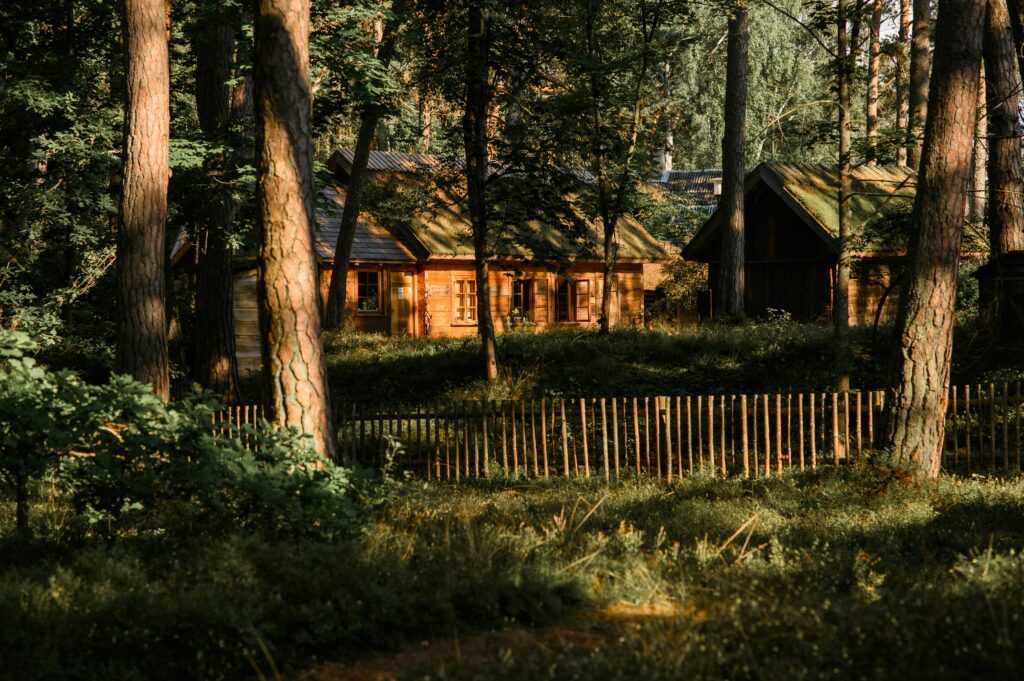
Pick the Right Spot First
This is where your survival starts and where a lot of players lose before they begin. Choosing a bad location means wasting time, fighting off constant threats, and struggling to get basic resources. Start smart: look for natural cover like cliffs, trees, or cave walls. These cut down your exposure, offer free barriers, and let you focus energy on defense elsewhere.
You also want decent visibility know who’s coming and when. A spot with a slight elevation or clear lines of sight gives you more reaction time and strategic options when it hits the fan. But don’t trade safety for scoping power. Stay away from spawn heavy areas, hotspots near loot drops, or high traffic PVP routes. You’re building a base, not opening a fight club.
Finally, aim for flatter terrain. Building goes faster, defenses snap in easier, and you waste less time on awkward fixes. A flat base lets you construct tight, efficient layouts that translate into better resource use and faster upgrades. Remember: location doesn’t just affect how long you survive it defines how hard you have to work to do it.
Gather Fast, Build Smart
The first hours in any survival game decide whether you’ll thrive or die tired in the dirt. Start by grabbing the basics: wood, stone, and fiber. These are your lifeline. Don’t waste time chasing rarities early on your fancy gear isn’t going to matter if you don’t have a roof over your head.
Stick to crafting low tier tools first. Simple picks and axes get the job done. Upgrades can wait until you’re not sleeping under the stars with wolves circling. Overcommitting to advanced gear before laying down a solid base is how inventories pile up and shelters never get built.
And let’s talk insurance: build a temporary shelter. Even a crude wall and roof combo beats restarting after your fragile camp gets wiped overnight. It doesn’t have to be pretty. It just has to keep you and your stash alive.
Survival is about momentum. Gather fast, build smart, and save the flair for later.
Structure Design That Works
A base that’s well designed isn’t just about aesthetics it’s your survival strategy. The structure’s layout can mean the difference between holding off raiders and watching everything fall apart.
Start with a Flexible Core Design
Keep it simple, especially early on. A compact footprint helps conserve resources and makes defense easier to manage.
2×2 or 3×3 base layouts offer the best balance between flexibility and efficiency
Smaller grids are easier to expand and reinforce as you gather more resources
Symmetrical designs help with fast upgrades and navigation under pressure
Reinforce for Longevity
Early raids can cost you everything. Investing in minor reinforcements goes a long way.
Double doorways and layered entrances slow down intrusion attempts
Upgrade base materials as soon as possible layer wood with stone or metal as you progress
Set up false entry points to mislead enemy players or AI attackers
Build Up, Not Just Out
Verticality gives you a tactical edge, defensively and visually.
Rooftop access is a must perfect for sniping, scouting, or last ditch defense
Use ladders, ramps, or narrow stairwells to control internal elevation
Second floors add storage and sleeping quarters while deterring quick raids
A smart structure grows with the game. Start lean, reinforce wisely, and always think in three dimensions.
Storage and Workstations
Efficiency isn’t just a perk it’s survival math. When it comes to base layout, every second counts, especially when you’re lugging materials or crafting under pressure. Place your storage directly next to your workbenches so you’re not playing inventory pong every five minutes. Smelters and processing stations should be close to main entrances. That way, you can dump raw materials and get back out before the sun sets or before someone finds your door.
Label everything. Use signs, color coded chests, whatever your game allows. Time wasted digging through piles of junk is time you don’t have. When you’re crafting on instinct, muscle memory matters, and knowing that the green crate means weapons or the red one holds ore makes a difference.
Finally, leave room to breathe. Don’t cram everything into your “final” setup right away. That furnace you need three levels from now? That new tier of crafting bench? You’ll want space for it without having to tear down walls. Think of your base like a living organism it needs room to grow.
Defense: More Than Just Walls

A good base doesn’t just sit pretty it pushes back. Setting traps in predictable choke points is your first line of deterrence. Think doorways, narrow hallways, funnel points. Anywhere you know an enemy has to pass through, plant something nasty. Spike traps, flame jets, improvised explosives whatever your game allows, make it count. Don’t overdo it in open areas. Concentrated pain > scattered damage.
Next, build fallback positions. When your outer wall breaks or someone slips past a gate, you need internal cover and firing angles ready. A second floor with barricades, a kill box just inside the entrance, or escape ladders to a hidden exit all of these give you room to regroup or turn the tide.
Lighting is another underrated tool. Too bright, and you advertise your location to every hostile for miles. Too dark, and you’re toast when someone sneaks in. Strike a balance: light up entry zones, storage rooms, and workstations to prevent ambushes, but keep exterior lighting minimal and angled. Let them find you the hard way when it’s already too late.
Ongoing Maintenance
Once your base is up and running, don’t get complacent. Maintenance isn’t glamorous, but it’s what keeps you standing after the dust clears. First rule: upgrade materials as you go. Start with wood, but don’t stay there. As you gain resources and level up, move to stone, then metal. Each jump makes your base harder to break into and less prone to fire or environmental damage, depending on the game.
Next, after raids or even small skirmishes walk your perimeter. Rotate any damaged traps, patch up walls, and replace anything spent. Leaving things half broken is basically an open invite for the next attacker.
If you’re settling in for the long haul, build a rhythm. Set daily checkpoints: did you check for weak spots? Are workstations fueled and organized? Are the outer defenses holding up? Run your base like a machine tight, steady, no loose bolts.
Survival isn’t just about having a base. It’s about keeping it functional. Daily habits make the difference between thriving and respawning.
Mixing Puzzle and Survival Elements
Some survival games don’t just test your reflexes they test your problem solving. It’s not enough to slap walls together and hope for the best. Games like Rust, The Forest, and Valheim are layering in puzzle mechanics right into the core of base building. If your base isn’t just strong but also tactically clever, you’ll last longer and outsmart more opponents.
Start thinking in layers. First layer: defense. Where are your choke points? How many steps does a raider have to take before they reach your core? Second: function. Are your workstations accessible without making yourself vulnerable? And third: navigability. A maze confuses enemies but make sure it doesn’t confuse you too.
You don’t have to overthink it from day one, but doing a little pre planning around how you’ll funnel movement or hide key resources can save your run. For creators diving into games with hybrid mechanics, check out this puzzle level walkthrough for a strategy upgrade.
Mistakes to Avoid
Let’s get one thing straight survival games aren’t about flexing with massive bases on day two. Overbuilding too early is a rookie move. Big builds drain resources fast and turn you into a glowing target before you’re ready to defend. Focus on lean setups that scale with your gear and threat level. Think function over footprint.
Elevation is another underrated factor. Flat terrain might be easier to build on, sure but it’s also easier to raid. Building on a slope or near cliffs gives you vertical advantage and limits enemy approach paths. Elevation means you’re harder to surprise, and easier to defend.
The last critical mistake? No escape plan. You should never be boxed in by your own base. Whether it’s a tunnel, a back door, or a hidden ladder always build with backup exits. Things go south fast in these games, and if you can’t get out, you’re done.
Simple rule: build smart, not big. Pick your ground carefully and never assume the front door’s your only option.
Efficient = Survivable
Cool base aesthetics get clicks. Efficient bases win games. If you’re building for survival real survival you don’t have the luxury of wasting time or space. Every doorway, every wall, every piece of storage needs to serve a purpose. Prioritize what works. If it happens to look good along the way, great. But form should follow function.
Think movement flow. Think defendability. Think about how fast you can get from your stash to your exit under fire. Booby traps aren’t decorations. Rooftop hatches aren’t just for style. They’re lifelines.
Before you get flashy, get disciplined. Upgrade only when it adds value. Expand only when the core is solid. There’s no point in a giant maze of rooms if you die in a hallway ambush.
For survival games that throw puzzles into the mix, you need smart layout thinking. Learn how to combine form, security, and flow with our puzzle level walkthrough. Master that balance, and your base won’t just look like it means business it will be ready for anything.