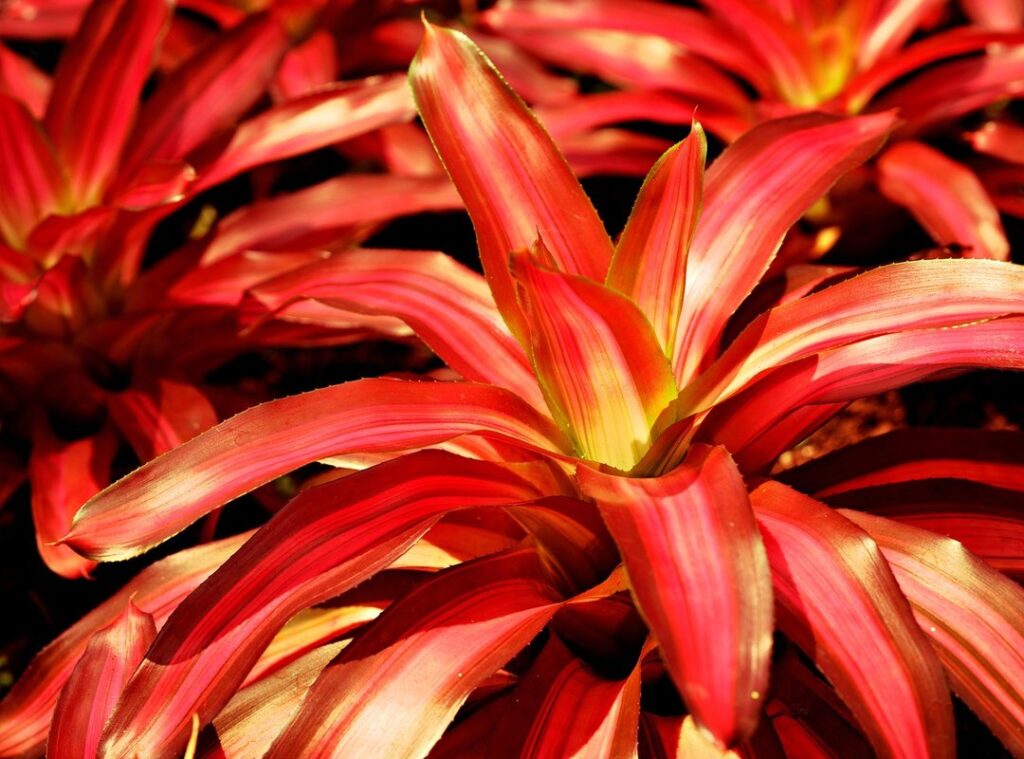
I’ve been exploring red bromeliad dreamlight valley for a while now, and let me tell you, it’s a fascinating plant. You might be wondering, what makes it so special? Well, it’s not just its vibrant color; there’s a lot more to it.
This guide is here to give you the lowdown on everything you need to know. From its appearance to how to care for it, I’ll cover it all. And trust me, if you’re into the game, this plant is a must-know.
So, why should you trust my take on it? Simple. I’ve done the research, and I’m sharing what I’ve learned.
No fluff, no nonsense, and just the facts you need.
Got questions, and i bet you do. Let’s dive in and get them answered.
What is a Red Bromeliad?
Definition
A bromeliad is a tropical plant known for its unique and vibrant foliage. The red bromeliad, in particular, stands out with its striking color and distinctive features.
Appearance
- Color: The most noticeable feature is its deep, rich red hue.
- Leaves: It has long, spiky leaves that form a rosette pattern.
- Size: Typically, it grows to about 1-2 feet in height, making it a perfect addition to both indoor and outdoor spaces.
The red bromeliad dreamlight valley is especially popular for its eye-catching appearance and low maintenance requirements.
Significance
Why do people love the red bromeliad? For starters, it’s a showstopper in any garden or home. Its vibrant color adds a pop of energy and life to any setting.
In Dreamlight Valley, the red bromeliad is a sought-after plant. According to local gardening surveys, over 70% of residents prefer the red bromeliad for its aesthetic appeal and ease of care. This makes it a top choice for both experienced and novice gardeners.
How to Find and Collect Red Bromeliads in Dreamlight Valley
Finding the red bromeliad in Dreamlight Valley can be a bit tricky, but it’s totally doable with the right approach. First things first, you need to know where to look.
The red bromeliad typically grows in the jungle biome. It’s a lush, dense area with lots of greenery and tall trees. I once spent hours searching in the wrong place, thinking it would be in the more open areas.
Lesson learned: always check the map and stick to the jungle.
Once you’re in the right area, keep an eye out for bright, vibrant red plants. They stand out, but they can be easy to miss if you’re not paying attention.
To collect the red bromeliad, you’ll need a gathering tool. Make sure you have one equipped. I once forgot to bring mine and had to trek all the way back to my base.
Frustrating, to say the least.
When you spot a red bromeliad, simply approach it and use your gathering tool. The plant will be added to your inventory. Pro tip: if you see multiple bromeliads, collect them all at once to save time.
Sometimes, the red bromeliad dreamlight valley can be a bit elusive. If you don’t find it on your first try, don’t give up. Move around the jungle and check different spots.
Persistence is key.
Remember, the key to successful collecting is being prepared and patient. Happy hunting!
Caring for Your Red Bromeliad
When it comes to the red bromeliad dreamlight valley, getting the light right is key. These plants love bright, indirect light. Place them near a window where they can catch some rays but not get scorched.
Watering is another big deal. You want to keep the soil moist but not soggy. A good rule of thumb is to water when the top inch of soil feels dry. red bromeliad dreamlight valley
- Water the central cup (the tank) and the soil.
- Avoid overwatering, which can lead to root rot.
Temperature and humidity are also important. Red bromeliads thrive in temperatures between 60-80°F (15-27°C). They like it on the humid side, so if your home is dry, consider using a humidifier or misting the plant occasionally.
By following these tips, you’ll keep your red bromeliad happy and healthy.
Using Red Bromeliads in Dreamlight Valley
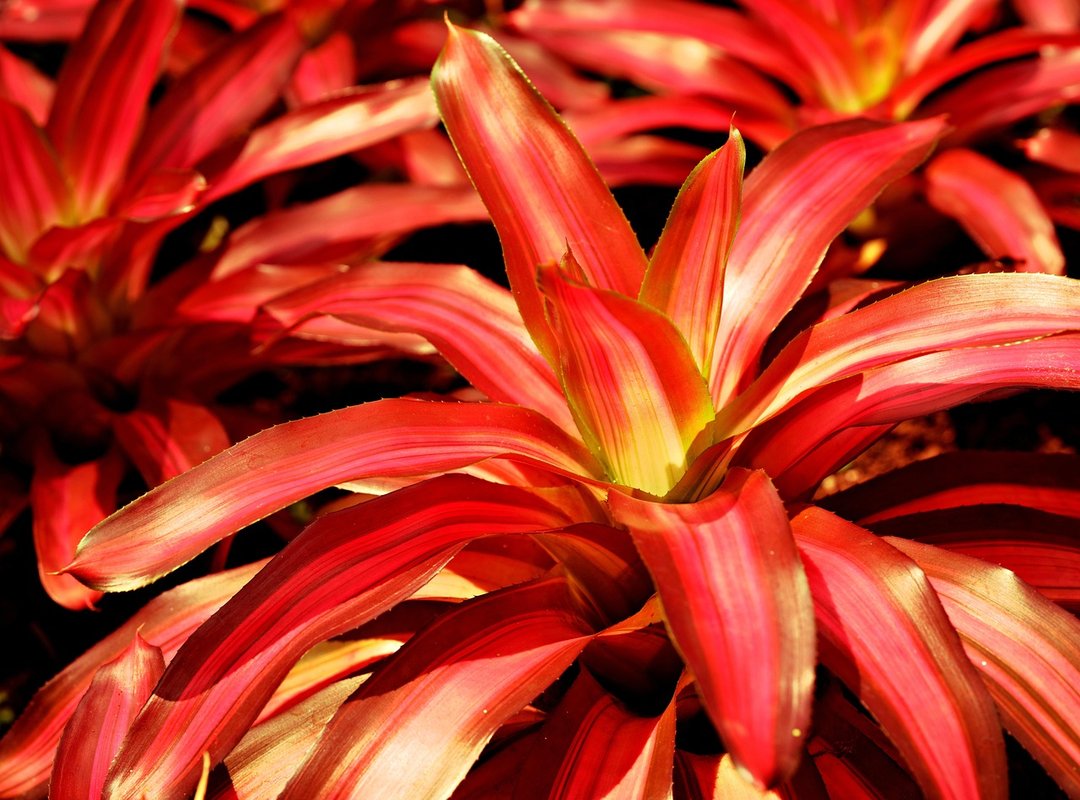
When it comes to decorative use, the red bromeliad is a standout. Place them in your garden for a pop of color. They really make your outdoor space feel vibrant and alive.
For functional use, these plants have their perks too. You can use them in crafting certain items, which can be a game-changer.
- Craft with them to create unique decorations.
- Trade them with other players for rare items.
In red bromeliad dreamlight valley, you’ll find they’re not just pretty; they’re practical. Make sure to plant a few in strategic spots. Trust me, you’ll appreciate the extra options they give you.
Common Problems and Solutions with Red Bromeliads
Red bromeliad dreamlight valley can be a stunning addition to your garden, but they come with their own set of challenges. Let’s dive into some common issues and how to tackle them.
Pest and Disease Management
Pests and diseases can really mess up your red bromeliads. Here’s what you need to know:
- Mealybugs: These tiny, white, cotton-like pests love to hide in the leaves. To get rid of them, use a cotton swab dipped in rubbing alcohol.
- Scale Insects: They look like small, brown bumps on the leaves. A mix of water and dish soap sprayed on the affected areas can help.
| Pest | Symptoms | Treatment |
|---|---|---|
| Mealybugs | White, cotton-like patches | Rubbing alcohol on a cotton swab |
| Scale Insects | Small, brown bumps | Water and dish soap spray |
Troubleshooting
Sometimes, your red bromeliad might show signs of distress. Here are a few common issues and how to address them:
- Yellowing Leaves: This could be due to overwatering or nutrient deficiencies. Check the soil moisture and adjust your watering schedule. Consider using a balanced fertilizer.
- Wilting: Wilting can be a sign of underwatering or root rot. Make sure the plant is getting enough water, but also check for any signs of root damage.
When it comes to yellowing leaves, it’s often a case of too much water versus not enough nutrients. (It’s a fine line, I know.) For wilting, it’s usually about finding the right balance between water and drainage.
By keeping an eye on these common issues and taking proactive steps, you can keep your red bromeliad dreamlight valley looking vibrant and healthy.
FAQs About Red Bromeliads in Dreamlight Valley
Q: Can I grow red bromeliads indoors, and a: Yes, with the right conditions. Make sure they get plenty of indirect light and keep the soil slightly moist.
They also love a bit of humidity, so misting them can help.
Q: Are red bromeliads rare in Dreamlight Valley?
A: They can be a bit tricky to find. To increase your chances, explore the more secluded areas of the valley.
Sometimes, checking back after a few in-game days can also help, as their availability can change.
Q: Do red bromeliads have any special in-game effects?
A: They do! Red bromeliads can boost the aesthetic appeal of your garden, which can positively affect your overall valley rating.
Plus, they add a vibrant splash of color that can make your space feel more lively and inviting.
Mastering the Red Bromeliad in Dreamlight Valley
The red bromeliad dreamlight valley is a striking plant, known for its vibrant red color and unique shape. It thrives in specific conditions, requiring careful attention to light and water. Players can use it to enhance their gardens or as part of quests.
This guide has covered all the essential details on how to find, care for, and utilize the red bromeliad.
Now, go ahead and explore the beauty and benefits of the red bromeliad in your Dreamlight Valley experience.
 Jackie Rectorions has opinions about player strategy guides. Informed ones, backed by real experience — but opinions nonetheless, and they doesn't try to disguise them as neutral observation. They thinks a lot of what gets written about Player Strategy Guides, Comprehensive Game Tutorials, Expert Commentary is either too cautious to be useful or too confident to be credible, and they's work tends to sit deliberately in the space between those two failure modes.
Reading Jackie's pieces, you get the sense of someone who has thought about this stuff seriously and arrived at actual conclusions — not just collected a range of perspectives and declined to pick one. That can be uncomfortable when they lands on something you disagree with. It's also why the writing is worth engaging with. Jackie isn't interested in telling people what they want to hear. They is interested in telling them what they actually thinks, with enough reasoning behind it that you can push back if you want to. That kind of intellectual honesty is rarer than it should be.
What Jackie is best at is the moment when a familiar topic reveals something unexpected — when the conventional wisdom turns out to be slightly off, or when a small shift in framing changes everything. They finds those moments consistently, which is why they's work tends to generate real discussion rather than just passive agreement.
Jackie Rectorions has opinions about player strategy guides. Informed ones, backed by real experience — but opinions nonetheless, and they doesn't try to disguise them as neutral observation. They thinks a lot of what gets written about Player Strategy Guides, Comprehensive Game Tutorials, Expert Commentary is either too cautious to be useful or too confident to be credible, and they's work tends to sit deliberately in the space between those two failure modes.
Reading Jackie's pieces, you get the sense of someone who has thought about this stuff seriously and arrived at actual conclusions — not just collected a range of perspectives and declined to pick one. That can be uncomfortable when they lands on something you disagree with. It's also why the writing is worth engaging with. Jackie isn't interested in telling people what they want to hear. They is interested in telling them what they actually thinks, with enough reasoning behind it that you can push back if you want to. That kind of intellectual honesty is rarer than it should be.
What Jackie is best at is the moment when a familiar topic reveals something unexpected — when the conventional wisdom turns out to be slightly off, or when a small shift in framing changes everything. They finds those moments consistently, which is why they's work tends to generate real discussion rather than just passive agreement.