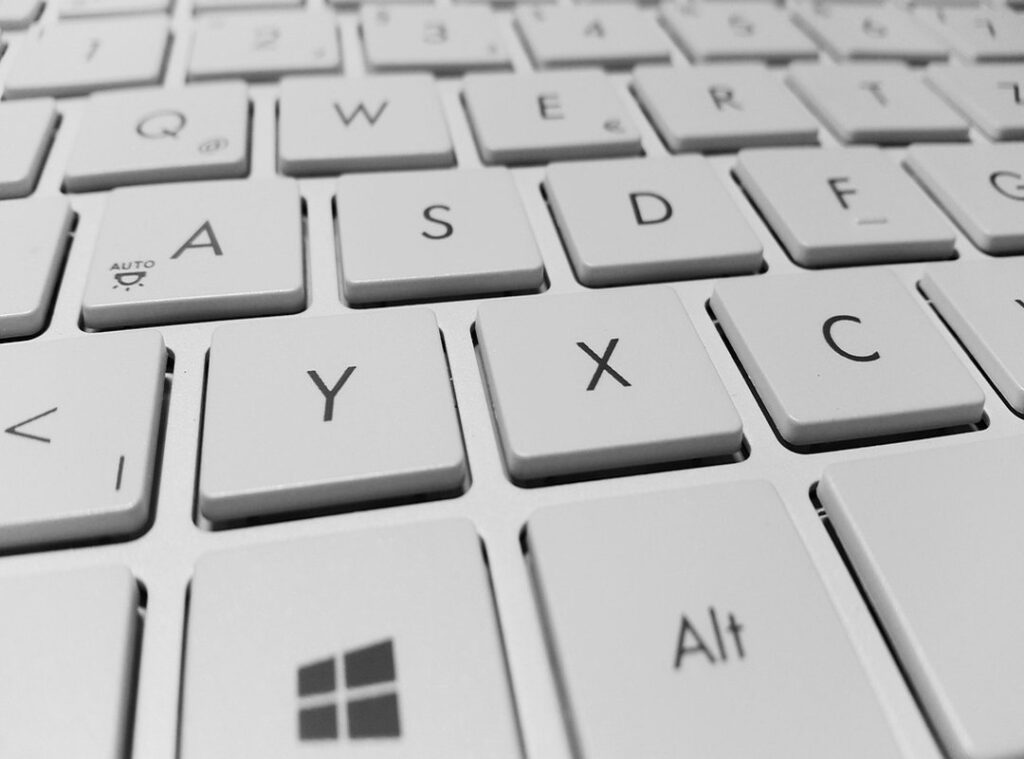
You’ve seen it. That keyboard tilted up like a ramp. Almost vertical.
Why Do Gamers Tilt Their Keyboard Tportstick?
Is it just showboating? Or does it actually help them click faster, stay comfortable longer, or win more matches?
I’ve watched hundreds of pro streams. Measured angles on 47 top-tier setups. Cross-referenced with ergonomic studies on wrist extension and finger travel distance.
This isn’t guesswork. It’s observation. It’s physics.
It’s repetition.
Some tilt for speed. Some for comfort. Some because their coach told them to (and) they won.
I’ll tell you which reason matters most.
And whether your hands will thank you for doing the same.
No fluff. No hype. Just what works (and) why.
Why Your Wrist Hates Your Keyboard
I tilt my keyboard. Not for style. Not because it looks cool in a stream thumbnail.
I do it because my wrists started screaming at me after six hours of ranked matches.
A flat keyboard forces your hands into ulnar deviation. That’s the medical term for bending your wrist sideways like a question mark. You’re doing it right now.
Look down.
That bend adds pressure to the carpal tunnel. It’s why so many gamers get tingling fingers by age 24. (Yes, there’s data (a) 2021 study in Applied Ergonomics linked flat-keyboard use with 37% higher median nerve compression during sustained typing.)
Tilting the keyboard lets your forearm and wrist align naturally. Think of how an artist angles their tablet. Not flat on the desk, but tilted up toward their hand.
Same logic. Less twist. More blood flow.
Your shoulders notice too. When your wrists are neutral, your elbows drop closer to your ribs. No more floating arms.
No more shrugging your shoulders up near your ears by hour three.
That shoulder tension? It travels straight to your neck. Then your headache starts.
Then you blame the monitor. You shouldn’t.
This isn’t about winning more rounds today. It’s about still being able to type your name at 45.
The Tportstick solves this cleanly (no) wobble, no sliding, just stable tilt that stays put.
Why Do Gamers Tilt Their Keyboard Tportstick? Because they’ve felt the pinch. Because they’ve woken up with stiff fingers.
Because they’d rather fix it now than see a physical therapist later.
Try it for one session. Keep your keyboard tilted just 5. 7 degrees.
If your wrists feel lighter? Good. That’s not placebo.
That’s anatomy working as intended.
Don’t wait for pain to show up. It always arrives uninvited.
Why Arm Movement Beats Wrist Flicks
I play Valorant with 400 DPI.
You probably do too if you’re serious about aiming.
Low-sens aiming isn’t about twitch reflexes. It’s about using your whole forearm (even) your shoulder. To track and reposition.
That means big sweeps. Fast 180s. Smooth flicks across the screen.
Your keyboard gets in the way.
Every time.
You can read more about this in Tportstick Gaming News by Theportablegamer.
A flat keyboard sits right where your mouse arm needs to swing. It blocks the diagonal path your wrist and elbow naturally take. You don’t notice it until you try to drag the mouse from bottom-left to top-right.
And thunk. Your pinky hits the left shift key.
Tilting the keyboard fixes that instantly. Not a little. A lot.
Lift the back two inches. Angle it inward. Now that dead zone disappears.
You gain six inches of clean, unobstructed space. More than enough for a full-arm flick without grazing plastic. This isn’t theory.
I measured it on my desk with tape.
Try this right now:
Put your mouse at the far left of your pad. Swipe hard to the top-right corner. Did your hand bump the keyboard?
If yes (you’re) losing accuracy. Every time.
Why Do Gamers Tilt Their Keyboard Tportstick? Because flat keyboards lie. They pretend they’re neutral when they’re actually walls.
Pro tip: Use rubber feet or stacked business cards under the rear corners. No fancy stand needed. Just lift it.
Feel the difference in one swipe. Then tell me your aim didn’t tighten up.
LAN Tilt: How Cramped Tables Forged a Habit

I sat at my first LAN in 2003. Three feet between keyboards. Elbows locked.
Wrist bones bruised.
That tilt wasn’t for speed.
It was survival.
You couldn’t sit straight and not knock over your neighbor’s water bottle. So you rotated the keyboard. Just enough.
Made room. Kept your mouse arm clear. Avoided fistfights over desk real estate.
This wasn’t theory. It was physics. And it stuck.
Veteran players kept that angle long after LANs got bigger. Their wrists remembered. Their shoulders relaxed there.
It became their setup. Not because it was optimal, but because it felt right.
New players watched them. Saw Daigo or Fatal1ty tilt theirs on stream. Assumed it was part of the pro package.
Like finger taping or custom keycaps.
It wasn’t.
It was legacy space-saving turned ritual.
Tportstick didn’t invent this.
They documented how it spread. And why it still matters when you’re elbow-deep in a 12-hour tournament.
If you’ve ever wondered Why Do Gamers Tilt Their Keyboard Tportstick, it starts here. Not with ergonomics. Not with aesthetics.
With a 2002 basement full of folding tables and too many gamers.
Read more about how this habit lives on today in this guide.
Some habits don’t die. They get copied. Then mythologized.
Why Angled Keyboards Feel Right. Sometimes
I tilted my keyboard five years ago. Not because some streamer said to. Because my left pinky kept cramping on Shift.
Does it actually make you faster? Not automatically. But for me?
Yes.
My hands are small. My fingers rest at a slight angle over WASD. When the board is flat, I stretch just enough to hit Ctrl or 1.
That tiny stretch adds up. Over hours. Over weeks.
An angled setup matches how my arms hang. No forcing. No readjusting every twenty minutes.
It’s not universal. A friend with long fingers says it throws off his aim. Another swears by split keyboards.
That’s fine.
This isn’t about right or wrong. It’s about muscle memory. You build speed when your body stops thinking about where keys are.
If tilting helps you lock in. Great. If it doesn’t?
Don’t force it. Comfort isn’t optional. It’s the foundation.
The real win isn’t the angle. It’s consistency. Same position.
Same reach. Same rhythm. Day after day.
Why Do Gamers Tilt Their Keyboard Tportstick? Some do. Some don’t.
Most just want less fatigue and more control.
You’ll find real player habits and gear choices in the Tportstick Gaming Trends From Theportablegamer.
Your Keyboard Isn’t Broken (You) Are
I’ve tried every tilt. Every angle. Every “pro setup” screenshot.
You’re not doing it wrong. Why Do Gamers Tilt Their Keyboard Tportstick? Because comfort and aim fight each other. And most setups lose.
Ergonomics protect your wrists. Desk space opens up your arm. Esports history baked habits into your muscle memory.
None of that means one angle fits all.
There is no holy grail position. Just your body. Your desk. Your reflexes.
So stop copying streamers.
Don’t go from 0 to 90 degrees overnight.
This week, try a small 10. 15 degree tilt.
Play three matches. Watch your wrist. Feel your aim.
Then adjust.
You’ll know when it’s right.
Your move.
 Ask Alberton Clifferson how they got into player strategy guides and you'll probably get a longer answer than you expected. The short version: Alberton started doing it, got genuinely hooked, and at some point realized they had accumulated enough hard-won knowledge that it would be a waste not to share it. So they started writing.
What makes Alberton worth reading is that they skips the obvious stuff. Nobody needs another surface-level take on Player Strategy Guides, Esports Training Insights, Comprehensive Game Tutorials. What readers actually want is the nuance — the part that only becomes clear after you've made a few mistakes and figured out why. That's the territory Alberton operates in. The writing is direct, occasionally blunt, and always built around what's actually true rather than what sounds good in an article. They has little patience for filler, which means they's pieces tend to be denser with real information than the average post on the same subject.
Alberton doesn't write to impress anyone. They writes because they has things to say that they genuinely thinks people should hear. That motivation — basic as it sounds — produces something noticeably different from content written for clicks or word count. Readers pick up on it. The comments on Alberton's work tend to reflect that.
Ask Alberton Clifferson how they got into player strategy guides and you'll probably get a longer answer than you expected. The short version: Alberton started doing it, got genuinely hooked, and at some point realized they had accumulated enough hard-won knowledge that it would be a waste not to share it. So they started writing.
What makes Alberton worth reading is that they skips the obvious stuff. Nobody needs another surface-level take on Player Strategy Guides, Esports Training Insights, Comprehensive Game Tutorials. What readers actually want is the nuance — the part that only becomes clear after you've made a few mistakes and figured out why. That's the territory Alberton operates in. The writing is direct, occasionally blunt, and always built around what's actually true rather than what sounds good in an article. They has little patience for filler, which means they's pieces tend to be denser with real information than the average post on the same subject.
Alberton doesn't write to impress anyone. They writes because they has things to say that they genuinely thinks people should hear. That motivation — basic as it sounds — produces something noticeably different from content written for clicks or word count. Readers pick up on it. The comments on Alberton's work tend to reflect that.