What a Typical Day Looks Like
Pro esports players don’t roll out of bed at noon and just hit play. Most start their day between 9 and 11 a.m. a schedule that balances structure with the need to grind late into the night. Morning isn’t about jumping straight into matches. It’s about slow ramp ups that lay a solid foundation for high intensity training ahead.
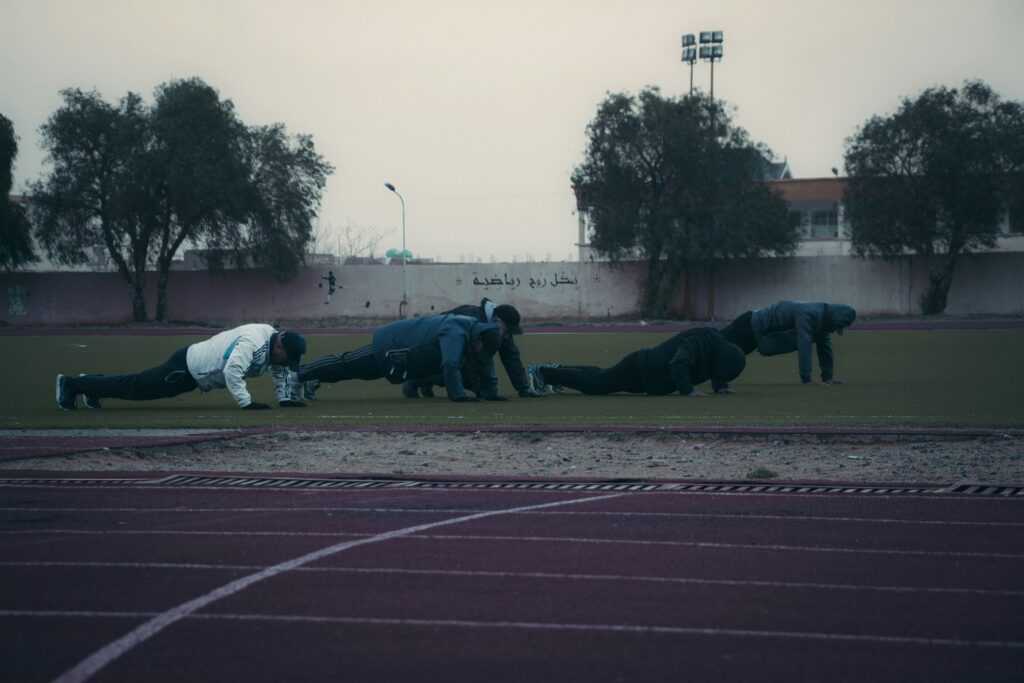
Stretching and light workouts come first. Tight shoulders don’t click heads. A bit of cardio, mobility work, maybe resistance bands enough to wake the body up and stay injury free. Then it’s time to fire up yesterday’s footage. Reviewing past matches helps players spot patterns, tighten decision making, and sync mentally with team strategies.
Before any hands hit mouse or controller, there’s the team sync up. Check ins, objective reviews, and strategy breakdowns short, direct, and focused. Everyone leaves knowing what they’re working on and where effort needs to sharpen. It’s a daily briefing, not a motivational speech. No fluff. Just alignment.
Mechanical Skill Drills
When a fraction of a second can decide a match, mechanical skill isn’t optional it’s the baseline. Most pro players dedicate at least an hour a day to pure aim training. Whether it’s tracking fast targets in an aim trainer or flicking between static ones, these drills keep reflexes sharp and precision tight. It’s not glamorous, but it works.
But raw aim isn’t the whole package. Role specific drills are baked into every serious training regime. A top tier MOBA support might grind ward placement and camera control. An FPS entry fragger spends reps mastering spray patterns and pre fire angles. It’s specificity that separates pros from high rank pub heroes.
Progress isn’t left to guesswork either. Players use analytics platforms and warm up performance metrics to chart consistency, accuracy, and reaction time. If results flatten, routines pivot. They strip down their footage, tweak settings, and test new patterns daily. Plateaus aren’t reasons to ease up they’re warnings to change the drill set.
Check out more on specific training routines
Team Scrims & Strategy
Daily scrims are the backbone of any pro team’s training regimen. These are scheduled blocks often a few hours long dedicated to live matches against other top tier teams. It’s not just about playing hard, it’s about playing smart. Teams use scrims to simulate high stakes tournaments, test new strategies, and find weak spots in their game.
What happens during a scrim isn’t set in stone. Mid match adjustments, instant feedback, and tactical rewinds are standard. Coaches watch closely either sitting in live or reviewing with the team seconds after a round ends. If something breaks down a mistimed flank, a failed push it’s diagnosed and patched on the spot.
But the secret sauce? Communication. Every team drills callouts and voice clarity like it’s life or death. Because in matches, it often is. Clean, fast, direct communication separates world class from top eight. When your teammate says, “pushing B long, no flash,” it better be clear, timed, and situationally useful. There’s no room for noise.
It’s more like a combat unit than a bunch of kids gaming. Discipline, coordination, and sharp mental reps are what turn good teams into serious contenders.
Physical Fitness & Recovery
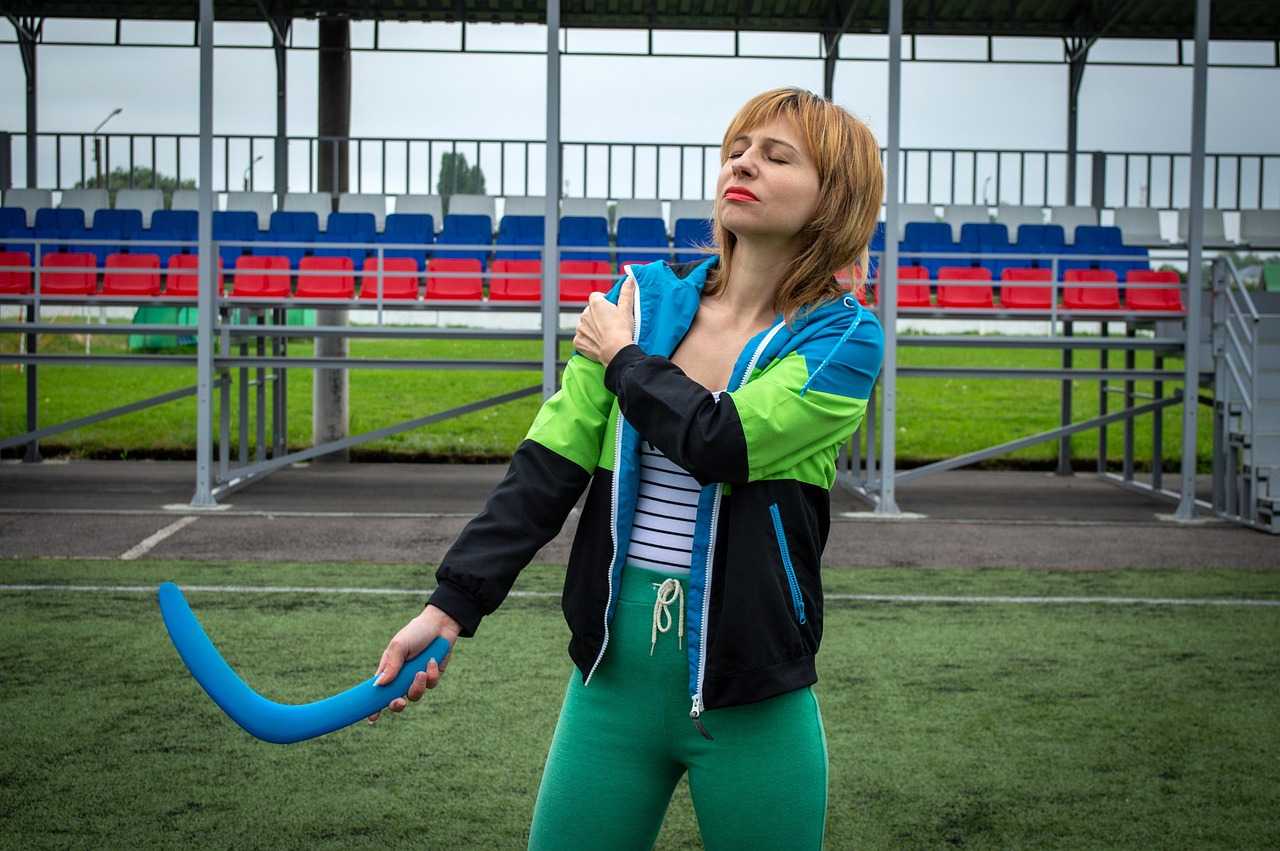
Keeping the body in peak condition is essential for any esports pro. While the focus often falls on mechanics and mental skills, physical wellness is what sustains long hours of practice and peak in game performance.
Structured Fitness Regimens
To offset long periods of sitting and screen time, many players build gym time into their daily schedule. These aren’t casual workouts they’re often guided by fitness professionals who understand the needs of gamers.
Gym sessions tailored for posture, flexibility, and endurance
Personal trainers develop routines to improve reflexes and reduce injury risk
Physiotherapy helps manage repetitive strain and stress injuries (like carpal tunnel or back pain)
Fueling the Brain and Body
Cognitive performance is tied directly to physical care. Most pros follow specific routines around sleep and nutrition to ensure their minds are as sharp as their aim.
Sleep schedules are non negotiable some teams even impose lights out times
Meal plans are designed to stabilize energy and avoid spikes or crashes
Supplements may be used under professional guidance to aid focus and endurance
Hydration and Ergonomics Matter
Small physical habits add up. Proper hydration and posture maintenance can significantly improve consistency and performance over long sessions.
Hydration protocols ensure the body and mind stay alert
Posture check ins during matches prevent fatigue and boost reaction speed
Ergonomic setups are standard with chairs, mousepads, and keyboards all built to reduce strain
Physical care isn’t an afterthought it’s a pillar of sustainable elite performance in esports.
Mental Health & Game Mindset
Grinding eight hour scrim blocks is one thing. Doing it every day without burning out? That’s a whole different muscle and pros are finally treating it that way. Mental sharpness isn’t just about focus; it’s about durability. More players are talking to sports psychologists or performance coaches, working through nerves, plateaus, and the mental drag of high stakes play.
Mindfulness is no longer a fringe habit. It’s part of the toolkit. Short daily meditations, breathing techniques between scrims, and app guided focus routines are common. It’s not fluff it’s clarity under pressure. Some players frame it like aim training for your brain.
What separates lasting careers from burnout cases comes down to this: build the mind like you build the mechanics. If the goal is consistency over time, mental fatigue needs as much prep and recovery as the hands or the shoulders.
Explore how pros maintain mental sharpness through their training routines
Tools, Gear & Software
Hardware isn’t just a flex it’s part of the job. Pro esports players rely on high refresh rate monitors (240Hz and up) to catch every frame of movement. That split second visibility becomes muscle memory over time. Combine that with zero latency mice, mechanical keyboards tuned to personal preference, and chairs that don’t wreck your spine after eight hours these setups are tuned for precision and endurance, not aesthetics.
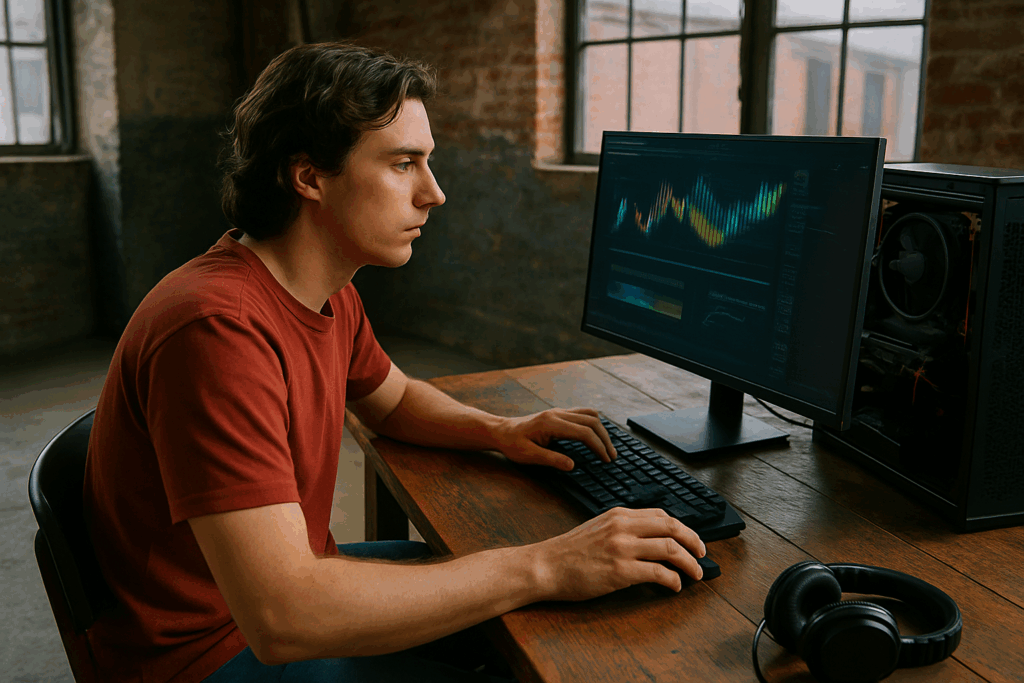
Then there’s the software side. Elite players use analytics platforms to break down their own gameplay like a coach reviews game tape. Reaction time tests, heatmaps, crosshair placement stats nothing is left to gut feeling. It’s all about numbers and behavior patterns. If you’re not reviewing your plays, you’re leaving performance gains on the table.
Custom servers and replay tools round out the toolkit. Training servers let players simulate clutch scenarios or practice specific maps in isolation. Replay analysis tools add layers of granularity: enemy timings, team rotations, misplays. It’s not glamorous, but this is where careers are made one frame, one decision, one improvement at a time.
Lessons for Aspiring Players
Consistency beats intensity. It’s not about pulling one marathon session and calling it progress. Pro players train like clockwork for weeks, months, years. The secret isn’t flashy; it’s discipline. Show up every day. Do the reps.
The best routines aren’t just about mechanics. They’re holistic. Strategy reviews in the morning, hand warm ups before matches, cooldown sessions with recovery tools afterward. Mental prep isn’t optional either whether that’s breathing exercises, mindset journaling, or just a proper night’s sleep.
It’s tempting to chase big leaps. But the truth is, peak performance gets built a few percent at a time. Tiny improvements stack up when done daily. That’s how you avoid burnout and stay sharp long term. You don’t “grind” to the top you pace yourself there. Trust the process.