

The Comeback of Survival Horror
Survival horror is stepping back into the spotlight, not by revisiting tired tropes, but by evolving into something smarter, tenser, and more emotionally immersive. In 2024, this genre is embracing new mechanics and deeper storytelling to terrify players in more meaningful ways.
Fear That Goes Beyond Jump Scares
While quick scares still have their place, modern survival horror is pivoting toward lingering dread and psychological tension. Developers are focusing on atmosphere, pacing, and environmental cues to sustain fear over time.
Emphasis on mood, lighting, and sound design over sudden jolts
Slow burn narrative tension that builds across levels and chapters
Player vulnerability as a core mechanic, not just limited resources or ammunition
Evolved Mechanics for a New Generation
Contemporary survival horror leans into unpredictability and player choice. The goal isn’t just to scare, but to immerse players emotionally and mentally.
AI driven enemies that adapt and create dynamic tension
Non linear exploration and puzzle solving integrated into story flow
Mechanics that promote paranoia unreliable narrators, changing environments, etc.
Indie Developers Are Leading the Way
Indie studios continue to push the boundaries with bold concepts and innovative execution. Without AAA constraints, they’re reshaping what horror can feel like in games.
Unique takes on fear and trauma, blending genres like mystery and psychological thriller
Narrative first experiences that focus on emotion over combat
Notable titles from smaller studios gaining momentum and critical praise
Survival horror’s resurgence isn’t just a nostalgic flashback it’s a transformation. Expect to see games that challenge what fear means, how it’s delivered, and why we keep coming back for more.
Tactical & Strategy Hybrids Are Breaking Out
Real time strategy has always been a niche pillar heavy on micro, demanding on attention. But lately, devs are finding a middle ground. By blending RTS with the immediacy of action RPGs, they’re stripping down the clutter while keeping the tactical core intact. Players still make big calls positioning units, managing cooldowns, predicting enemy behavior but it’s all happening faster, in tighter loops that hit harder.
What’s working? Streamlined control schemes and faster feedback. Think less spreadsheet, more feel. Games like “The Last Spell” and “Warhammer 40,000: Darktide” are showing how you can layer strategy over real time action without drowning players in menus. They’re tactical at heart, but lean enough to pull in action fans who don’t want to memorize hotkeys.
This hybrid model doesn’t just cater to one crowd it pulls in crossover audiences. Strategy loyalists appreciate the depth, while RPG and action players get to flex in more dynamic scenarios. Expect to see more of it across platforms, especially with titles like “Miasma Chronicles,” “Company of Heroes 3,” and “Metal Slug Tactics” pushing the formula forward. The bottom line: tactics are getting leaner, meaner, and more playable.
Cozy Games Aren’t Slowing Down
Cozy games have carved out a permanent space in the gaming world and in 2024, they’re not just a trend, they’re a movement. These are the titles where high stakes take a backseat to emotional connection, routine, and calm. You don’t win by shooting faster; you win by planting turnips, writing journal entries, or fixing up your tiny cabin. And it works.
What started with cult hits like Stardew Valley and Animal Crossing has given rise to a wave of soft focus, heart led experiences. New releases are expanding on the genre, blending daily life mechanics with narratives that actually say something grief, community, identity, burnout. It’s where comfort intersects with storytelling.
Developers get it. They’re pouring energy into worldbuilding that feels personal, not just visual. Sound design that soothes. Characters who talk like people. Gameplay loops built around care, not conquest. For a growing audience especially post pandemic this is where joy lives.
These games aren’t trying to overwhelm or impress. They’re trying to make you feel. And in a medium crowded with noise, that’s powerful.
AI Driven Content Shaping Emerging Genres
Smarter Systems, Better Worlds
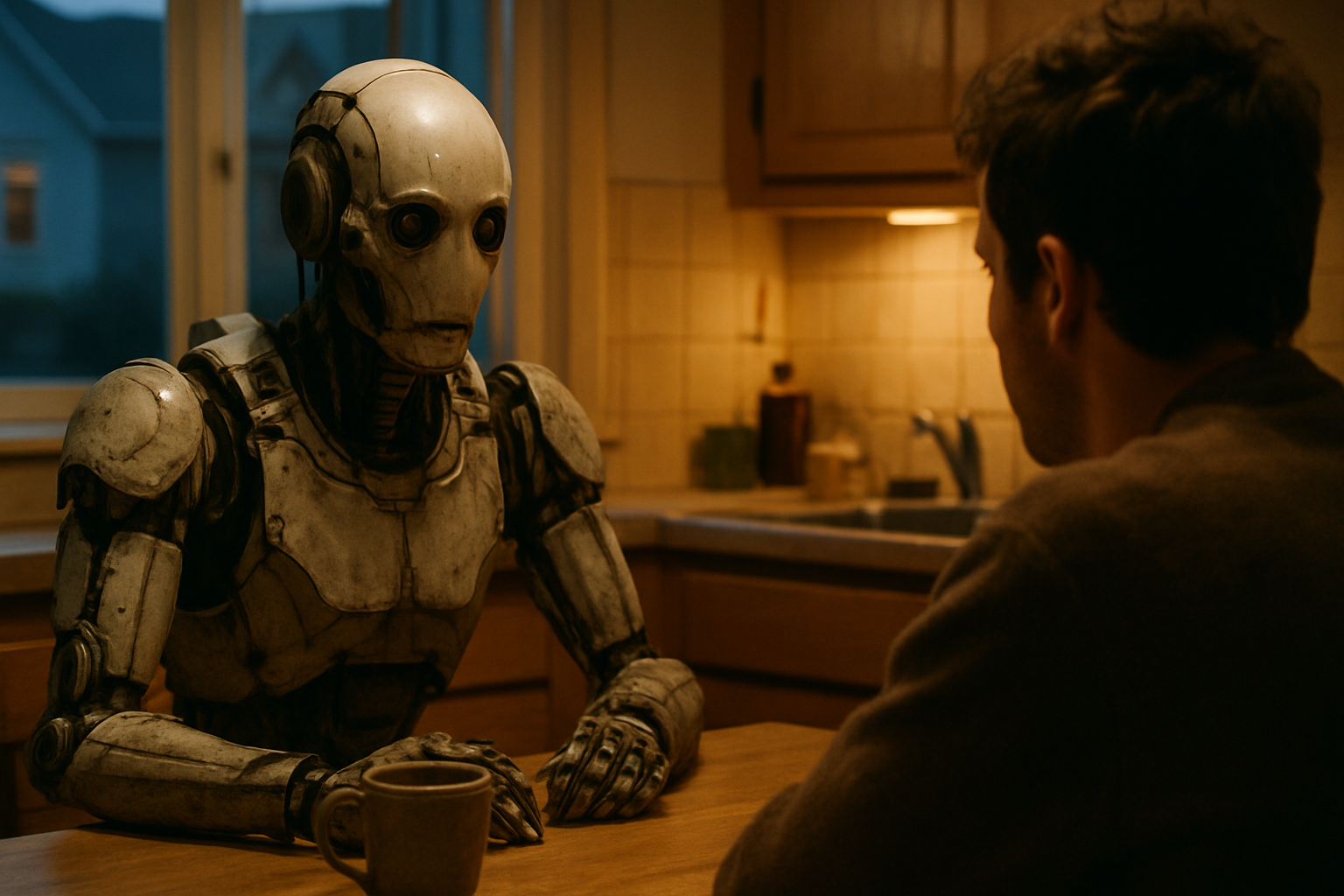
Artificial intelligence is playing a transformative role in game design, particularly in emerging and hybrid genres. As studios look to create more immersive and responsive experiences, AI is driving innovation at every level from the behavior of non playable characters (NPCs) to how entire worlds are assembled.
Smarter NPCs Are Changing the Game
Gone are the days of generic, scripted characters. AI technologies ranging from behavior trees to machine learning are giving NPCs the capacity for:
Dynamic responses based on player behavior
More convincing personalities within dialogue and interaction
Tactically adaptive behavior in combat or exploration scenarios
As a result, gameplay feels less predictable and more player driven, especially in narrative heavy or open world settings.
Procedural Generation Meets Design Intent
AI assisted procedural generation is no longer random for the sake of scale. Today, it enables:
Worlds that evolve based on player choices or real time events
Unique yet intentional landscapes that still align with core story beats
Modular environments that reduce workload while maintaining creative diversity
This kind of content is helping smaller studios compete, offering sophisticated experiences on tighter schedules and budgets.
Scalable Innovation on a Budget
For indie developers and mid size studios, AI isn’t just a tool it’s a necessity. By automating repetitive design tasks and enabling dynamic systems, AI allows teams to:
Build bigger, deeper games without massive manpower
Reduce development time dramatically
Focus resources on storytelling, polish, and player experience
Further Exploration
For a deeper dive on this evolving trend, check out:
AI in Gaming
Open Worlds That Actually Feel Alive
Gone are the days when an open world meant a giant map filled with icons and fetch quests. In 2024, studios are delivering worlds that feel lived in, not just big. Genre crossovers are doing a lot of the heavy lifting here mixing exploration with survival, action with farming, narrative with base building. These blends aren’t just cosmetic, they’re reshaping how players interact with space and story.
Instead of content bloat, devs are focusing on ecosystems that evolve. Weather impacts your strategy. Towns react to your decisions. Wildlife behaves differently depending on what you’ve done in the world. NPCs aren’t static quest givers they’re part of a network that shifts over time. That creates dynamic worlds that reward observation, not just grinding.
Map design is also maturing. Rather than packing every square inch of terrain with stuff to do, designers are giving players breathing room. Landmarks have purpose. Secrets feel earned. You’re uncovering meaning, not just clearing clutter. The result? Exploration that matters. No hand holding, no bloat. Just you, the world, and what you choose to dig into.
What to Keep an Eye On
Genres aren’t staying in their lanes anymore. In 2024, we’re seeing more titles that blur the lines between RPG, shooter, sim, and beyond. Think inventory systems in FPS games, dialogue choices in survival sims, or crafting mechanics baked into action titles. It’s not about fitting a mold it’s about mixing flavors until something new clicks. Gamers are responding, and studios are leaning into the chaos.
Reboots, too, are shedding their glossy nostalgia coats for something tougher. Instead of slapping a retro skin on a dated format, devs are rebuilding old franchises from the ground up grittier, moodier, and more grounded in modern gameplay expectations. These aren’t love letters to the past they’re reckonings.
Early access is accelerating it all. Feedback loops are shorter. Experimentation is faster. Studios test wild genre mashups, tune them live with player input, and either cut or refine in real time. The result? Bolder game design with fewer safe bets and a player base that’s more involved in what gets made than ever before.
Where It All Connects
Gamers are getting harder to please and that’s a good thing. The broad expectation now isn’t just for a good story or sharp mechanics. It’s for games that adapt. Players want experiences tailored to their choices, games that remember, shift, and invite replays without repeating themselves.
Enter AI. It’s doing more than helping build games faster it’s changing how games respond. We’re seeing the rise of modular storytelling, where plot branches and character interactions evolve based on behavior, not just scripted choices. Replayability is no longer about unlockables it’s about fresh, dynamic paths every time you boot up.
Developers are taking notice. From indie teams to big studios, modularity and adaptive frameworks are influencing both design and pacing. And while we’re not at fully AI authored games yet, the groundwork is here, and it’s driving a genre wide rethink.
Want to dig deeper into how AI is shaping the next wave of game design? Check out AI in Gaming.